
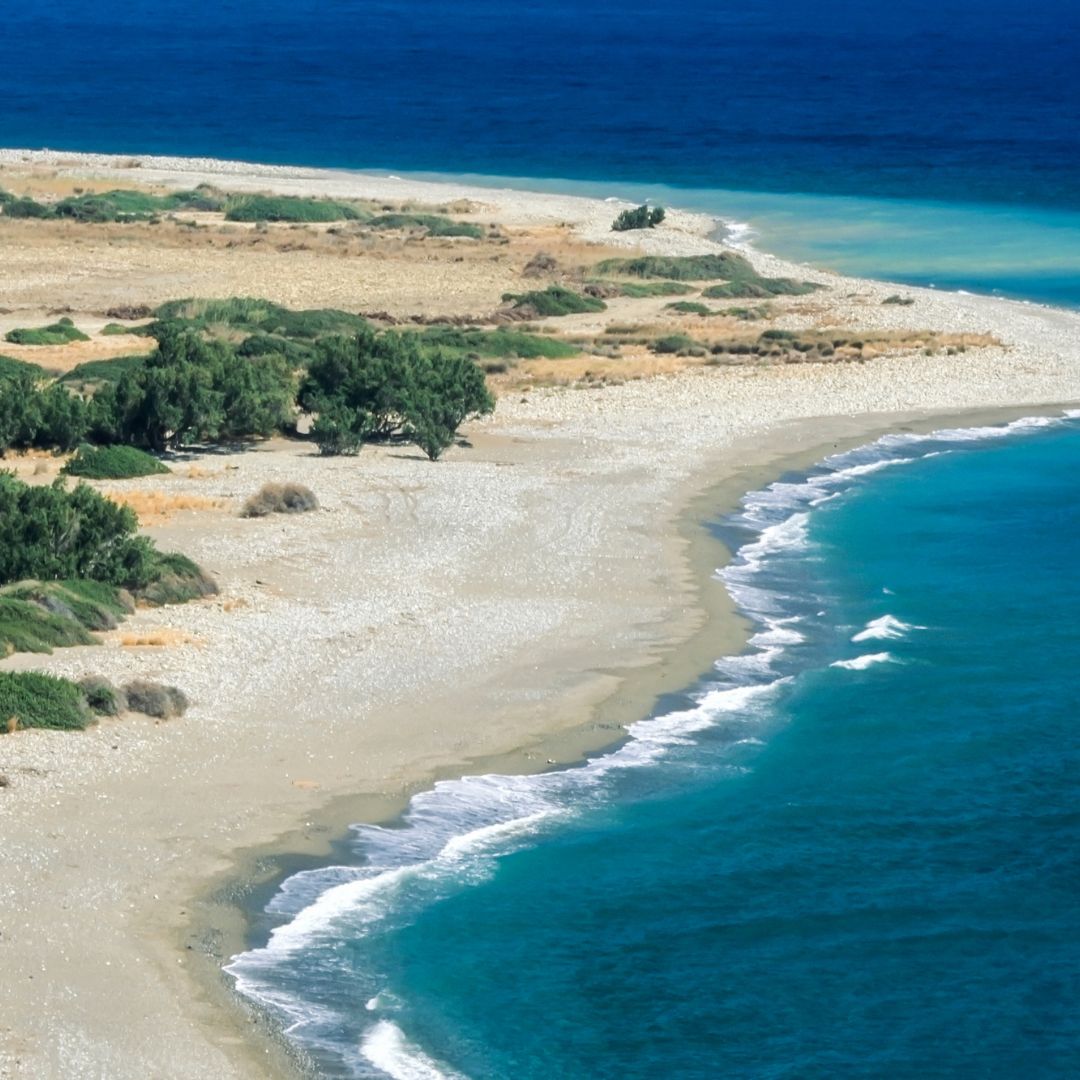
Crete is an island defined by its contrasts—high mountains, endless coastline, and a dry, rugged landscape that smells of thyme and sage. However, this unique beauty comes with a significant challenge that often goes unnoticed by the casual visitor: water scarcity.
The dry summers that make Crete such a popular destination are becoming longer and hotter. For the locals, water is not just a commodity flowing from a tap; it is the lifeblood of our agriculture, our olive groves, and our ecosystem. In recent years, the pressure on our water resources has increased dramatically due to climate change and the high demand during the peak summer months.
The aquifers are shrinking, and the reservoirs are struggling to refill during the mild winters. This is a reality that affects everyone—from the farmer in the Lasithi Plateau trying to water their crops, to the villages struggling to maintain supply in August.
Preserving water in Crete isn’t just about “saving” a resource; it is about respecting the balance of an ecosystem that has sustained civilizations here for thousands of years. It requires a shift in mindset—acknowledging that every drop counts and that the island’s natural beauty is fragile. Understanding this reality is the first step towards a more conscious way of existing on this land.